
The Hotel’s Political Transformation
A Gentleman in MoscowThis thread tracks how revolutionary power changes the hotel’s rituals, staff, and daily operations while old forms of status persist in new costumes.
increasing Bearing strength in each event
 decreasing
Bearing strength in each eventdecreasingA Revolution in the Rooms
New Residents
Changed Occupants
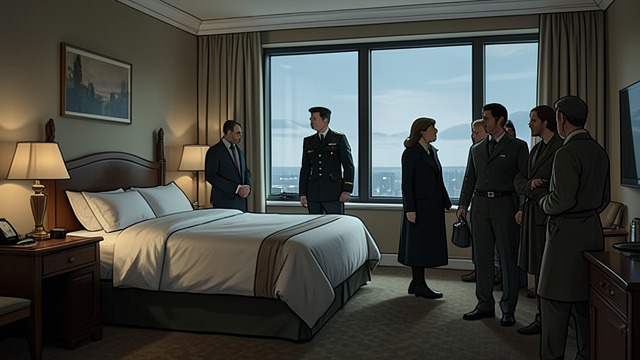
The Bolsheviks take over much of The Metropol, occupying suites and using rooms for political work. Count Alexander Ilyich Rostov watches old luxury become a setting for a new regime.
Familiar Habits
The Revolution changes clothing and language, but assemblies still feature status, performance, late arrivals, and deference. The hotel reveals continuity beneath political upheaval.
Pomp Finds New Forms
The Persistence of Ceremony
New Banquets
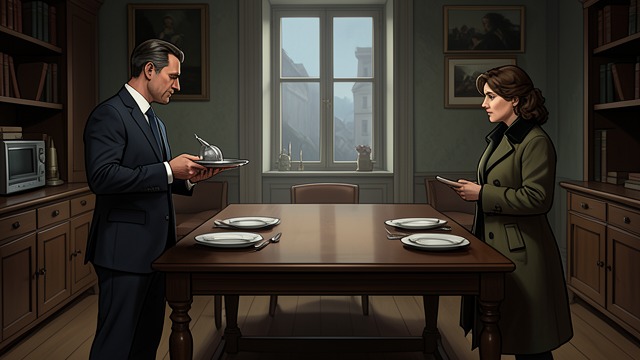
Nina Kulikova discovers the hotel’s stored silver service, and Count Alexander Ilyich Rostov predicts that the new rulers will eventually need formal dinners too. Political change does not abolish the desire for ceremony.
Reused Splendor
The old banquet implements wait for a new class of hosts. The hotel’s objects survive ideological transformation by serving whoever holds power.
Wine Without Names
Flattening Difference
A Uniform Rule
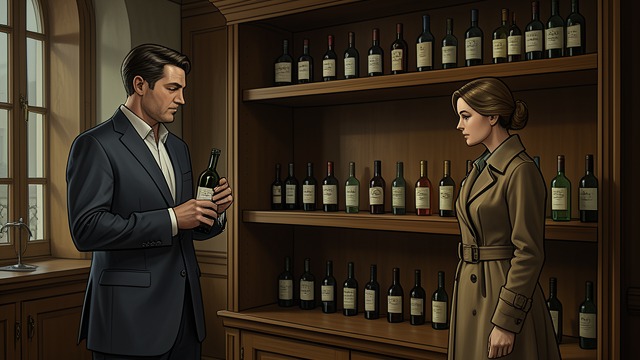
A complaint leads to the Boyarsky Restaurant’s wines being stripped of their labels and sold at a single price. Count Alexander Ilyich Rostov sees the decision as an attack on the distinctions of place and history carried by each bottle.
Individuality Erased
The regulation turns distinct vintages into anonymous categories. The Count understands that social transformation can erase nuance faster than memory expects.
The Bishop’s Procedures
Administration Ascendant
A New Manager
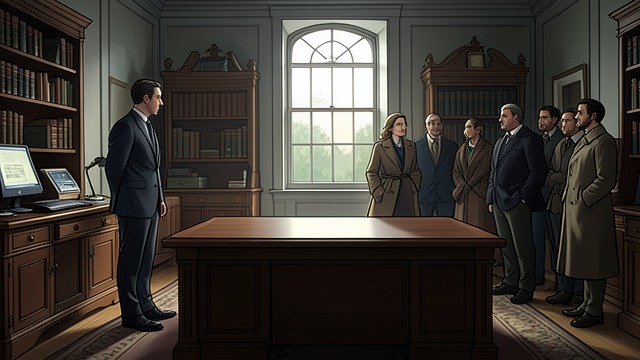
Bishop Leplevsky replaces the hotel’s former manager and inserts himself into menus, reservations, staffing, and service. His rule values measurable uniformity over the expertise of the people doing the work.
Resistance by Craft
Count Alexander Ilyich Rostov and his colleagues repeatedly defend human judgment against paperwork and false efficiency. Their clashes make routine hotel operations a quiet political conflict.
The Blackout and Its Spectacle
Power on Display
A State Dinner
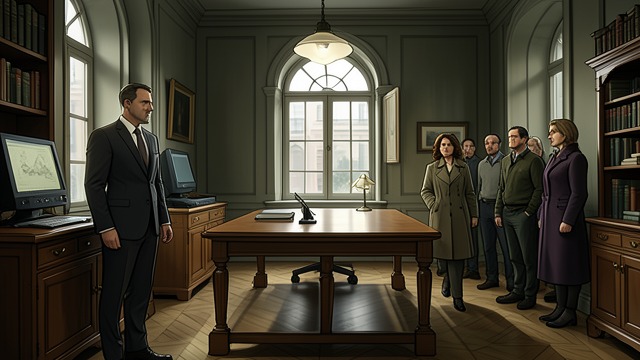
At a dinner attended by senior leaders, a controlled power interruption demonstrates the new Obninsk plant’s ability to light Moscow. Count Alexander Ilyich Rostov sees how political theater can make technology serve a leader’s ambitions.
The City’s Interruption
The blackout disrupts ordinary citizens even as officials applaud the restored lights. The event exposes the divide between public spectacle and private inconvenience.
1922
1922, summer
1924
1930s–1950s
11 June 1954
